Solicitar Cotización
  1. Inicio
  2. Soluciones
  3. Línea de producción de fertilizantes fosfatados
1
1
1
1
1
1
1

Línea de producción de fertilizantes fosfatados

Catálogo Digital
process
Solicitar Cotización WhatsApp
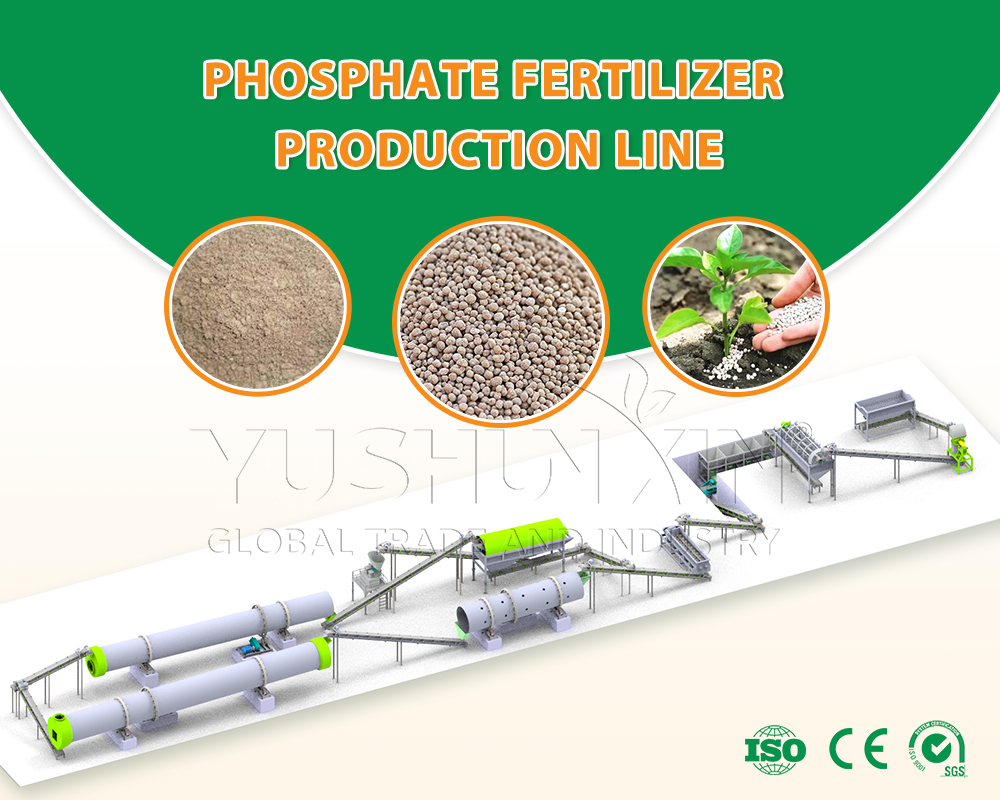
  • Equipo Principal Equipo Principal
  • Proceso Tecnológico Proceso Tecnológico
  • Materia Prima Aplicable Materia Prima Aplicable
  • Características y Ventajas Características y Ventajas
  • Análisis de Costos Análisis de Costos
  • Nuestras Ventajas Nuestras Ventajas
  • Milling Equipment
    • Raymond Mill: Grinds phosphate rock into fine powder, increasing the surface area for acid reaction.

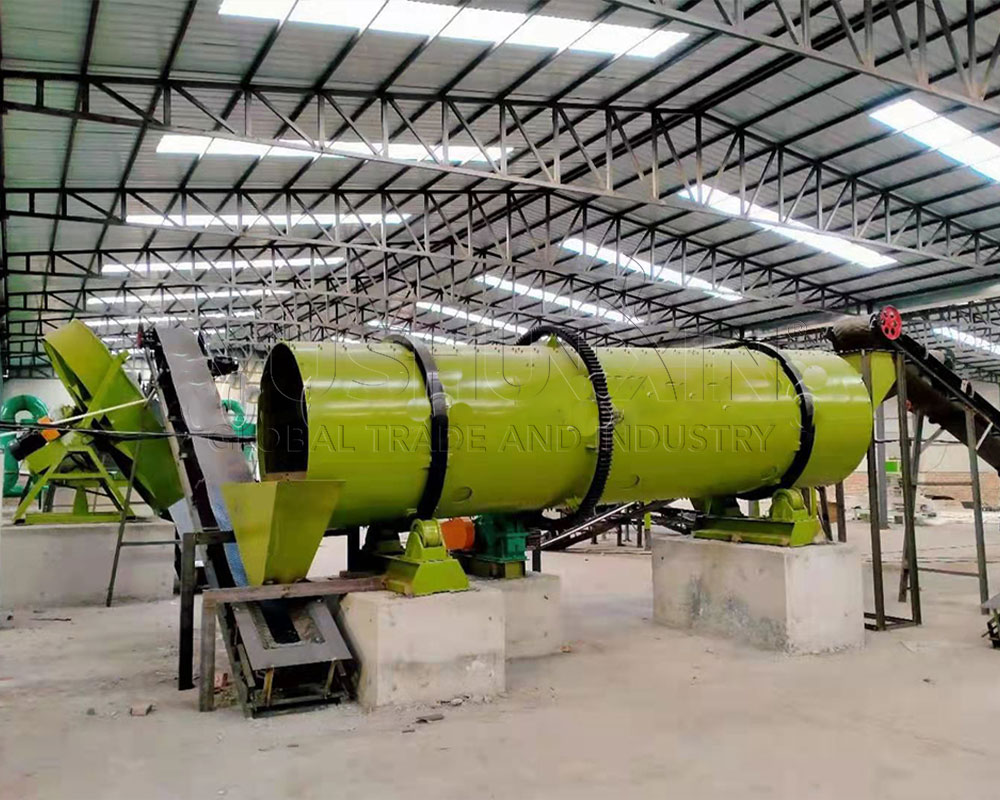
  • Granulation Equipment
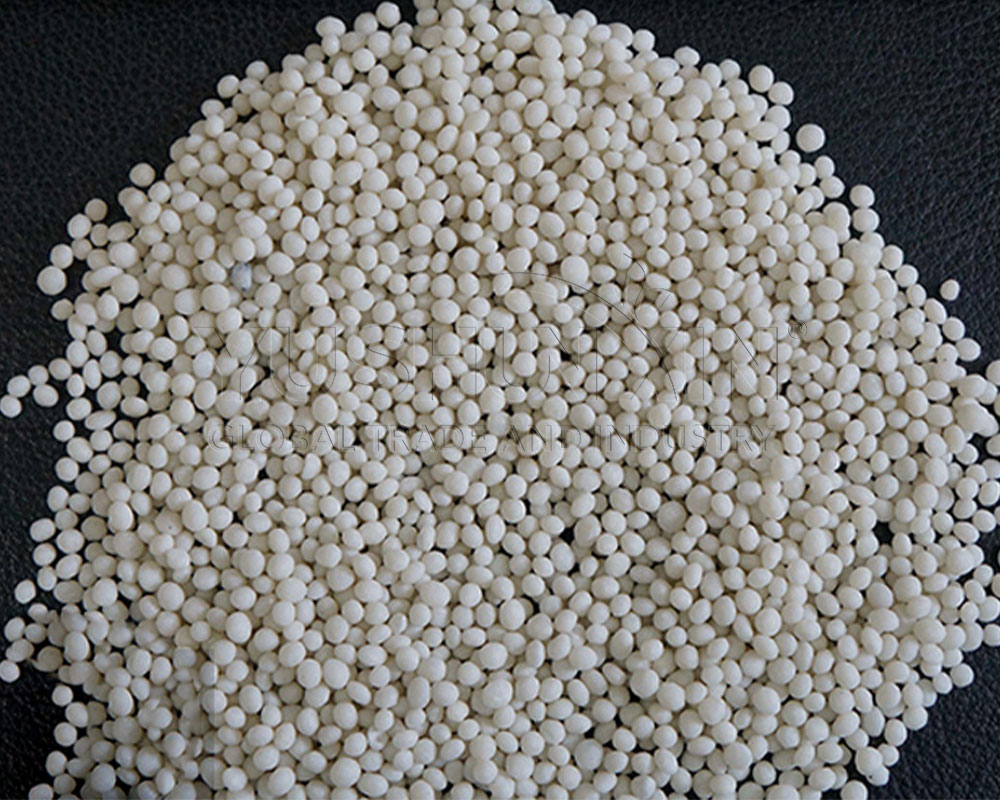
    • Granulator: Converts the mixed materials into granular form. There are different types of granulators, such as the disc granulator, rotary drum granulator, and roller granulator.

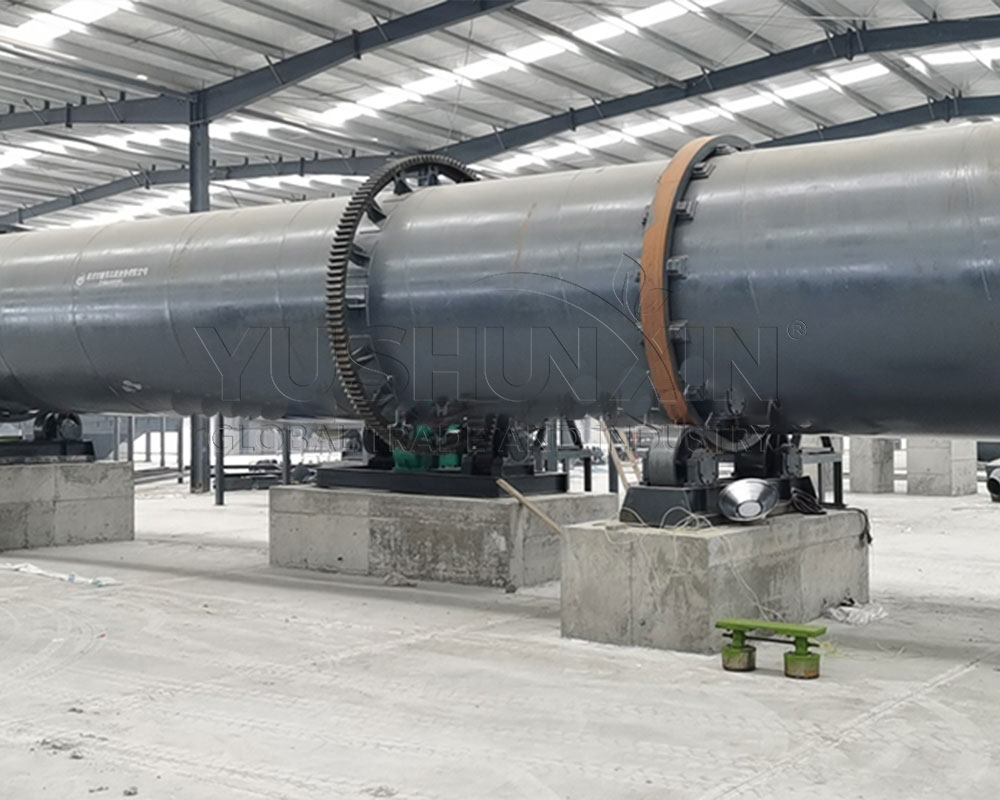
  • Drying and Cooling Equipment
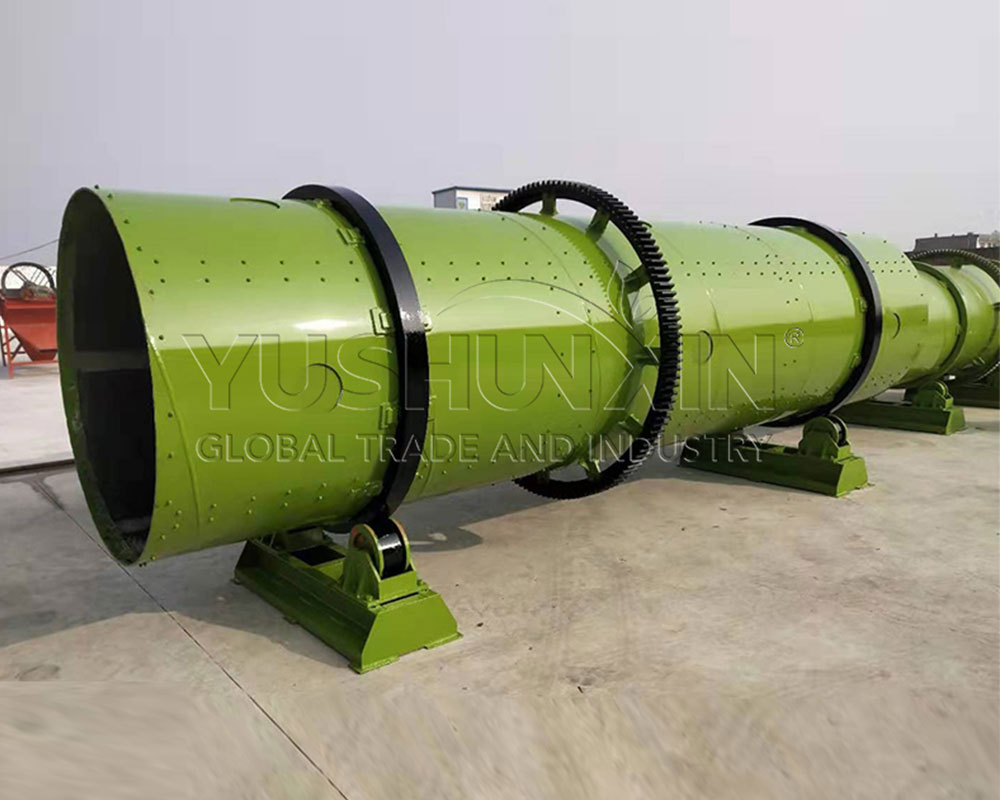
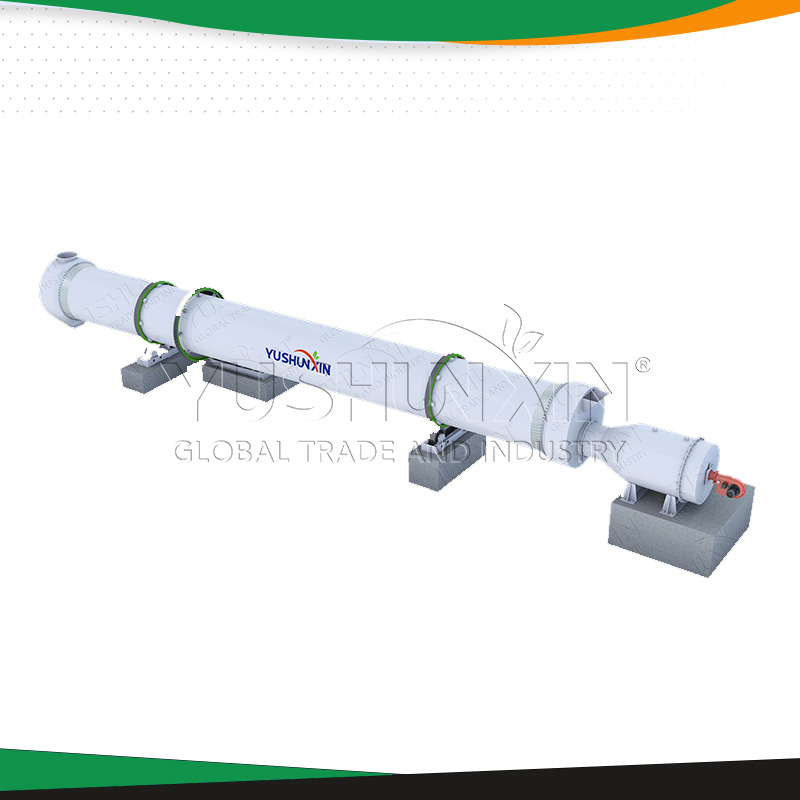
    • Rotary Dryer: Reduces the moisture content of the granulated fertilizer.
    • Cooling Machine: Cools down the fertilizer after drying.

  • Packaging Equipment
    • Packing Machine: Packages the finished fertilizer into bags for sale or distribution.

  • Palletizing Equipment
    • Palletizing Machine: Stack and arrange fertilizer bags efficiently on pallets. It improves packaging efficiency, reduces labor costs, and enhances storage and transportation convenience.

1. Phosphate Rock

  • Phosphate Rock (Phosphorite) � The primary source of phosphorus for phosphate fertilizer production. It is mined and contains varying amounts of phosphorus (typically in the form of calcium phosphate minerals like apatite).

2. Acid Sources

To convert phosphate rock into a usable fertilizer form, acid is required to “acidulate” the rock, which releases soluble phosphorus compounds. Common acids used include:

  • Sulfuric Acid (H?SO?) � Most commonly used to produce superphosphate fertilizers. It reacts with phosphate rock to produce single superphosphate (SSP) or triple superphosphate (TSP).
  • Phosphoric Acid (H?PO?) � Produced from phosphate rock with sulfuric acid, phosphoric acid is a key ingredient in the production of high-concentration phosphate fertilizers like monoammonium phosphate (MAP) and diammonium phosphate (DAP).

3. Other Nutrient Sources (Optional for Compound Fertilizers)

To create NPK fertilizers, other sources of nitrogen and potassium can be mixed with the phosphate material. Some examples include:

  • Potash (Potassium Chloride or Potassium Sulfate) � Provides potassium (K) to the fertilizer.
  • Urea or Ammonium Nitrate � Provides nitrogen (N) to complete the NPK blend.

4. Gypsum (Optional)

  • Gypsum (CaSO?) � Produced as a byproduct when sulfuric acid is reacted with phosphate rock. It can be used in the manufacturing of single superphosphate (SSP) and is also useful for improving soil quality in some cases.

5. Other Additives (Optional)

  • Silica � Sometimes added to improve granule quality in the manufacturing process.
  • Clay, Bentonite, or other binders � Used in the granulation process to help form granules or pellets and improve the product�s physical properties.

1. High Efficiency in Production

  • Continuous Production: Phosphate fertilizer production lines can operate continuously, maximizing output and minimizing downtime. This makes the manufacturing process highly efficient.
  • Automated Systems: Many production lines are fully automated, reducing the need for manual labor and increasing the overall efficiency of the process. This leads to higher throughput and reduced operational costs.

2. Customizable Fertilizer Formulations

  • Adjustable Nutrient Ratios: The production process allows flexibility in adjusting the ratio of phosphorus to other nutrients like nitrogen and potassium, catering to different soil and crop needs.

3. Consistent Product Quality

  • Uniform Granules: The production line ensures that the fertilizers are of consistent quality, with uniform granule size, which is crucial for even distribution when applied to soil.
  • Accurate Nutrient Content: Automated control systems ensure that each batch of fertilizer has the right nutrient content, offering reliability and effectiveness to end-users.

4. Cost-Effectiveness

  • Low Labor Costs: With automation, labor costs are significantly reduced, and human error is minimized.
  • Higher Production Volume: The ability to produce fertilizers in large quantities helps achieve economies of scale, reducing the per-unit production cost.
  • Reduced Waste: Advanced processes in the production line minimize the waste of raw materials, which leads to lower raw material costs and reduced environmental impact.

5. Environmental Benefits

  • Efficient Use of Resources: The process is designed to minimize waste, and technologies such as energy recovery systems can be implemented to reduce the carbon footprint of production.
  • Recycling of Byproducts: Byproducts like gypsum from the sulfuric acid process can be repurposed, either used for agricultural applications or as a raw material in other industries, thus reducing waste.

6. Enhanced Granulation and Storage

  • Durable Granules: Granulation equipment ensures the production of solid, easy-to-store fertilizers that don�t crumble easily, improving handling and shelf-life.
  • Stable Storage: The final product is stable and can be stored for longer periods without significant nutrient degradation, making it suitable for distribution in large quantities.

7. Scalable Production

  • Adaptable to Production Size: The production line can be scaled to produce small, medium, or large quantities of fertilizers, depending on market demand. This scalability ensures flexibility in meeting the needs of both local and global markets.

8. Increased Agricultural Productivity

  • Optimized Nutrient Availability: Phosphate fertilizers provide plants with a readily available source of phosphorus, a critical nutrient for root development, energy transfer, and flower and fruit production. This leads to improved crop yields and healthier plants.
  • Improved Soil Fertility: Regular application of phosphate fertilizers helps replenish soil phosphorus, ensuring long-term soil fertility and productivity.

9. Strong Market Demand

  • Global Demand: Phosphate fertilizers are a staple in global agriculture, and with increasing demand for food production, the market for phosphate fertilizers continues to grow.
  • Brand Differentiation: Fertilizer companies can differentiate themselves by producing high-quality, reliable products that cater to the specific needs of different crops and regions.

10. Increased Return on Investment (ROI)

  • Efficient Production and High Yield: Given the high demand for phosphate fertilizers and the relatively low production costs, phosphate fertilizer production lines offer excellent returns on investment.
  • Access to Multiple Markets: The ability to produce various types of phosphate fertilizers allows companies to serve different agricultural sectors, from small-scale farmers to large commercial operations, expanding the market reach.

11. Flexible Additive Integration

  • Incorporation of Other Nutrients: The production line can also be configured to include additional nutrients, such as nitrogen (N) and potassium (K), creating compound fertilizers or NPK blends that offer balanced nutrition to plants.
  • Micronutrient Additives: The production line can be modified to add micronutrients like zinc, copper, and iron, offering specialized formulations for specific soil deficiencies.

La inversión y costos operativos de una línea de fertilizantes comprenden principalmente:

El costo varía según la capacidad requerida, el grado de automatización y las características de la materia prima. Complete el formulario y le enviaremos una cotización detallada.

  • Inversión en maquinaria: equipos principales como trituración, mezclado, granulación, secado, tamizado y ensacado automático.
  • Costos de materia prima: adquisición y transporte de estiércol, residuos orgánicos o insumos químicos y aditivos.
  • Mano de obra y operación: salarios del personal operativo, técnicos y supervisores de planta.
  • Consumo energético: electricidad, combustible, gas natural o vapor durante el funcionamiento.
  • Mantenimiento y repuestos: inspecciones periódicas y sustitución de piezas de desgaste.
  • Empaque y logística: sacos de envasado, almacenamiento y transporte de producto terminado.
  • Cumplimiento ambiental: sistemas de desodorización, captación de polvo y tratamiento ecológico.

Envíe su Consulta

Si está interesado en nuestros equipos de fertilizantes, envíe sus requerimientos técnicos y nos pondremos en contacto con usted en un plazo de 24 horas garantizando total confidencialidad.

    Solicitar Cotización de Línea de Producción

    Cuéntenos sobre su materia prima, capacidad estimada y requerimientos de instalación para recibir una propuesta técnica personalizada.

    • Fortaleza Técnica

      - Empresa fundada en 2005 con más de 20 años de liderazgo en el diseño y fabricación de maquinaria para fertilizantes. Base de producción estandarizada de 40.000 m², con tecnología avanzada de granulación, secado y tamizado de alta eficiencia.

      - Más de 80 ingenieros y técnicos especializados, proyectos en más de 100 países, más de 5.000 clientes atendidos, centros de mecanizado CNC de alta precisión y corte láser de última generación.

      - Alianzas continuas de investigación con institutos agrícolas y universidades, optimizando constantemente el rendimiento y la durabilidad de cada equipo.

    • Calidad y Durabilidad de los Equipos

      - Fabricación con aceros estructurales de alta resistencia Q235 y aleaciones antidesgaste para prolongar la vida útil y reducir los costos de mantenimiento.

      - Sistemas de control automatizado inteligente que optimizan la producción continua y reducen la dependencia de mano de obra.

      - Certificaciones internacionales de calidad ISO9001, CE y SGS.

    • Capacidad de producción

      - Nuestra capacidad de fabricación permite atender distintos requisitos de producción, desde líneas pequeñas hasta medianas y grandes.

      - Disponemos de una gama completa de modelos para producir distintos tipos de fertilizantes: orgánicos, compuestos, biológicos, solubles en agua y líquidos, entre otros.

    • Servicio personalizado

      - Ofrecemos un diseño personalizado según las necesidades del cliente, incluidos la capacidad de producción, la distribución de las instalaciones y los requisitos ambientales.

      - Proporcionamos soluciones completas para líneas de producción, incluida la selección de equipos, la instalación, la puesta en marcha y la formación técnica.

      Servicio personalizado
    • Ventajas de precio

      - El suministro directo de fábrica reduce los intermediarios y permite ofrecer precios más competitivos.

      - La eficiencia energética de los equipos reduce el consumo y ayuda a disminuir los costes operativos a largo plazo.

    • Servicio posventa

      - El suministro directo de fábrica reduce los intermediarios y permite ofrecer precios más competitivos.

      - La eficiencia energética de los equipos reduce el consumo y ayuda a disminuir los costes operativos a largo plazo.

    ×
    +8615981847286WhatsApp [email protected]Email Solicitar CotizaciónInquiry Please enter the contentSearch Click to return to the topTOP
    ×

      Envíe su Consulta

      Si está interesado en nuestros equipos o líneas de producción, envíe sus requerimientos y datos de contacto. Nos comunicaremos con usted en un plazo de 24 horas y garantizamos total confidencialidad.

      WhatsApp us for the latest price list!